Let’s get grounded.
Therapy does not have to happen behind a closed door; sometimes the most honest conversations happen outside, with room to breathe and space to think. Let's meet where you feel most like yourself.
Walk and Talk Therapy
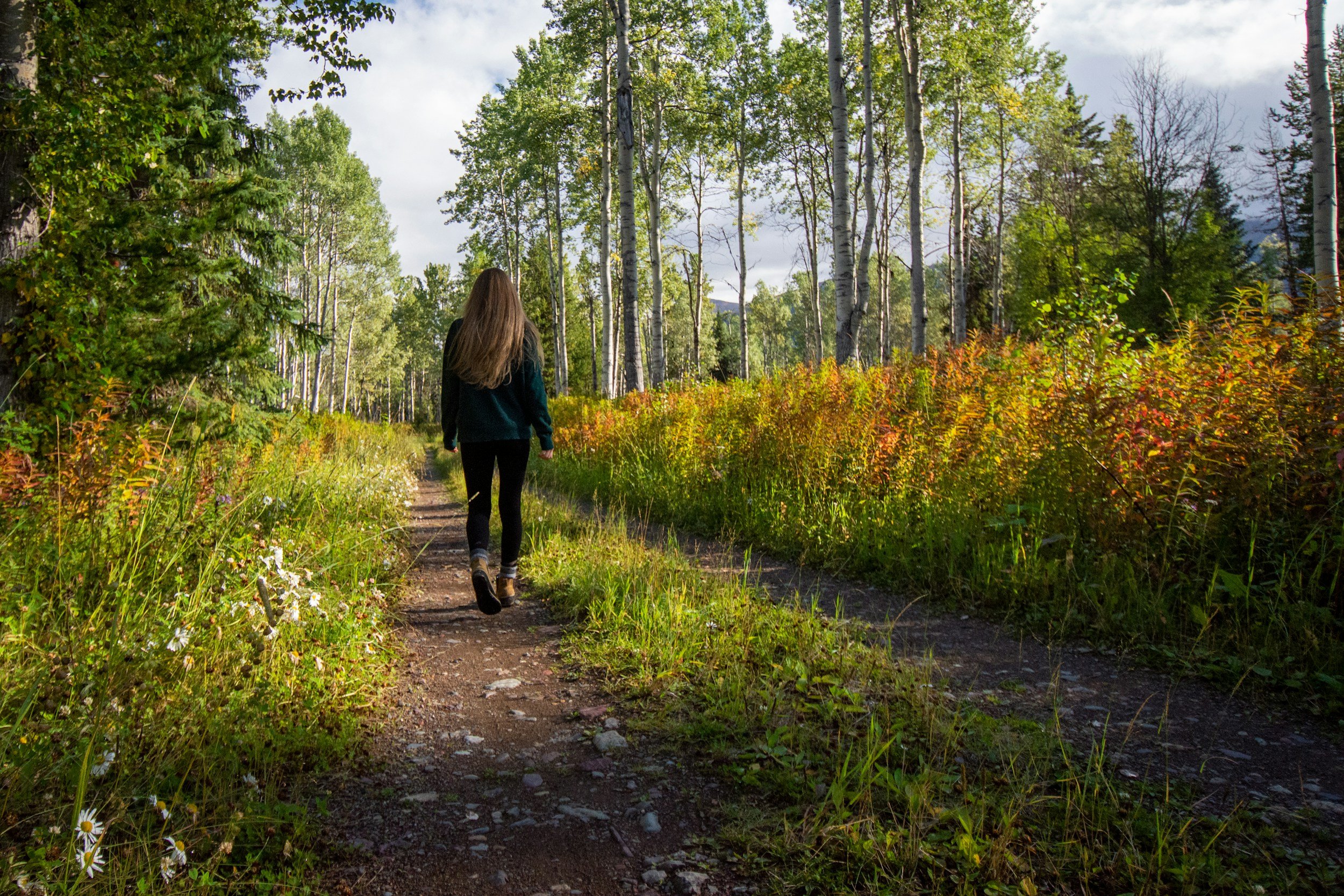
Sometimes healing does not happen best while sitting still. Walk and talk therapy takes the same clinical care you would find in a traditional session and moves it outdoors. The changing scenery, fresh air, and gentle physical activity can ease anxiety and help regulate the nervous system in ways that support the work we are doing together.
This is available as an add-on for existing clients who are already established in ongoing care. Options vary based on location and therapist availability. Currently available to private pay clients only.
The Benefits
Nervous system regulation. Walking engages the body in bilateral movement, which can help settle a dysregulated nervous system and make it easier to access thoughts and feelings that feel stuck when sitting still.
Reduced intensity of eye contact. Walking side by side rather than sitting face to face can feel less confrontational, which often makes it easier to open up about difficult material.
Connection to nature. Time outdoors has its own grounding, mood-lifting effect, and it can serve as a natural extension of the coping tools we build in session.
Gentle movement. For clients managing anxiety, ADHD, or the restlessness that can come with a dysregulated body, movement itself can be part of the therapeutic process rather than a distraction from it.
Who This Is a Good Fit For
Walk and talk therapy is not the right format for every client or every phase of treatment. It tends to work best for clients who:
Have already completed an initial stabilization period in ongoing therapy and have an established therapeutic relationship
Are not currently experiencing active suicidal ideation or other acute safety concerns
Do not have mobility or medical limitations that would make walking difficult or unsafe
Are looking for a lower-intensity, movement-based alternative to a traditional session, whether occasionally or as an ongoing option
Frequently Asked Questions
What if someone approaches who knows me or knows you? This is one of the most common questions clients ask, and it is a fair one. We will talk in advance about how to handle this if it comes up. If someone recognizes either of us, we can pause our conversation naturally, exchange a brief greeting, and continue our walk once they have moved along. We will not discuss anything clinical in front of a third party, and we can choose routes and times that reduce the likelihood of this happening if that would help you feel more at ease.
Is what I share still confidential? The same confidentiality standards that apply to telehealth or in-office sessions apply here, and we will choose routes with this in mind, avoiding crowded areas or times when possible, and keeping our conversation at a volume and distance from others that protects your privacy. That said, meeting in a public, outdoor setting means I cannot guarantee complete confidentiality the way I can in a private office; there is always some chance of being seen or overheard by someone nearby. Choosing walk and talk therapy means accepting that small degree of risk. We can talk together about routes, timing, and precautions that help minimize it as much as possible.
Where do we walk? Location is flexible and can be tailored to what feels most comfortable and private for you. We will talk through options together before your first walking session.
What if the weather is bad? We will have a plan in place to shift to telehealth or reschedule if weather, air quality, or other conditions make walking outdoors unsafe or unpleasant.
Can we start with walk and talk from my very first session? Generally, no. A short period of traditional sessions comes first so that we can build trust, complete a full assessment, and make sure walk and talk is a safe and appropriate fit for where you are in your care.